
Understanding the Psychological Effects of Gambling on Decision-Making
The Nature of Gambling and Decision-Making
Gambling is fundamentally a risk-reward scenario where individuals make choices based on potential outcomes. The thrill of betting on games or events can lead to impulsive decisions, often driven by emotions rather than logic. Many players enter a state of heightened arousal, where the excitement can cloud their judgment, resulting in decisions that may not align with their best interests. This psychological phenomenon is compounded by the desire to win, which can lead to a cycle of repeated gambling even after significant losses. For more insights, visit https://senseizinoo.com/.

Neuroscience reveals that gambling activates the brain’s reward systems, similar to addictive substances. When a gambler experiences a win, dopamine, a neurotransmitter linked to pleasure, is released, reinforcing the behavior. This creates a feedback loop where the individual is motivated to gamble again in hopes of replicating that euphoric feeling. However, the unpredictability of gambling outcomes can lead to irrational decision-making, as gamblers may overestimate their chances of winning based on past experiences.
Understanding these elements is essential for recognizing how gambling can distort decision-making processes. Players may become overly confident, misjudging their skills or the randomness of games. This phenomenon often leads to an increase in bets or a disregard for personal financial limits. As gamblers chase losses or anticipate wins, their decision-making becomes increasingly influenced by cognitive biases, making it difficult to step back and evaluate their behavior rationally.
The Role of Cognitive Biases in Gambling
Cognitive biases are mental shortcuts that simplify decision-making but can lead to errors in judgment. One prevalent bias in gambling is the “gambler’s fallacy,” where individuals believe that past outcomes influence future results. For instance, a player may think that a slot machine that hasn’t paid out recently is “due” for a win. This misconception can lead to continued play, despite mounting losses, as the player incorrectly assumes that statistical patterns will eventually favor them.
Another common bias is overconfidence, where gamblers believe they possess superior skills or insight. This can be particularly evident in games such as poker, where players may attribute their wins to skill rather than luck. Overconfidence leads to larger bets and more reckless decisions, ultimately resulting in greater financial losses. The illusion of control can be intoxicating, as players convince themselves they can influence outcomes through strategy, despite the inherent randomness of most games.
Moreover, confirmation bias plays a significant role in gambling. Gamblers often focus on their wins while downplaying their losses, creating a skewed perception of their performance. This selective memory reinforces their desire to continue playing, blinding them to the reality of their gambling habits. Recognizing these cognitive biases is crucial for those who gamble, as it can help them make more informed decisions and mitigate the negative impacts of their behavior.
The Emotional Impact of Gambling
The emotional landscape of gambling is as complex as its psychological effects. For many, gambling serves as an escape from reality, providing a temporary thrill that distracts from stress or anxiety. However, this emotional high can quickly turn into despair when losses accumulate. The rollercoaster of winning and losing can provoke intense feelings, from elation to frustration, which can influence decision-making in subsequent gambling sessions.
Players often experience regret and guilt after losing bets, which can lead to a cycle of chasing losses. This emotional spiral encourages further gambling in an attempt to recover lost money, often resulting in deeper financial troubles. Such emotional repercussions can impact not only the gambler but also their relationships and overall mental health, as stress and anxiety levels rise.
Furthermore, the stigma attached to gambling can prevent individuals from seeking help. Many gamblers feel ashamed of their losses and may isolate themselves from friends and family. This isolation can exacerbate emotional turmoil, hindering their ability to make rational decisions regarding gambling. Understanding the emotional toll of gambling is essential for fostering healthier decision-making and encouraging those in distress to seek support and guidance.
Strategies for Improving Decision-Making in Gambling
To mitigate the psychological effects of gambling on decision-making, individuals can adopt several strategies. Setting strict limits on time and money spent gambling is a foundational step. By establishing boundaries, players can create a framework that encourages responsible gambling. This approach helps individuals recognize when to walk away, reducing the risk of impulsive decisions fueled by emotions.
Another effective strategy is self-reflection and awareness. Gamblers should keep a journal of their betting patterns, decisions, and emotional responses. This practice can illuminate the influence of cognitive biases and emotional triggers in their gambling experiences. By identifying these patterns, players can develop greater awareness and implement corrective measures to improve their decision-making processes.
Additionally, seeking support from friends, family, or professional resources can provide essential guidance. Sharing experiences and concerns can reduce the stigma surrounding gambling and foster a sense of community. Support groups and counseling services can equip gamblers with coping strategies and reinforce healthy decision-making practices. By addressing the psychological aspects of gambling, individuals can work toward making more informed and deliberate choices.
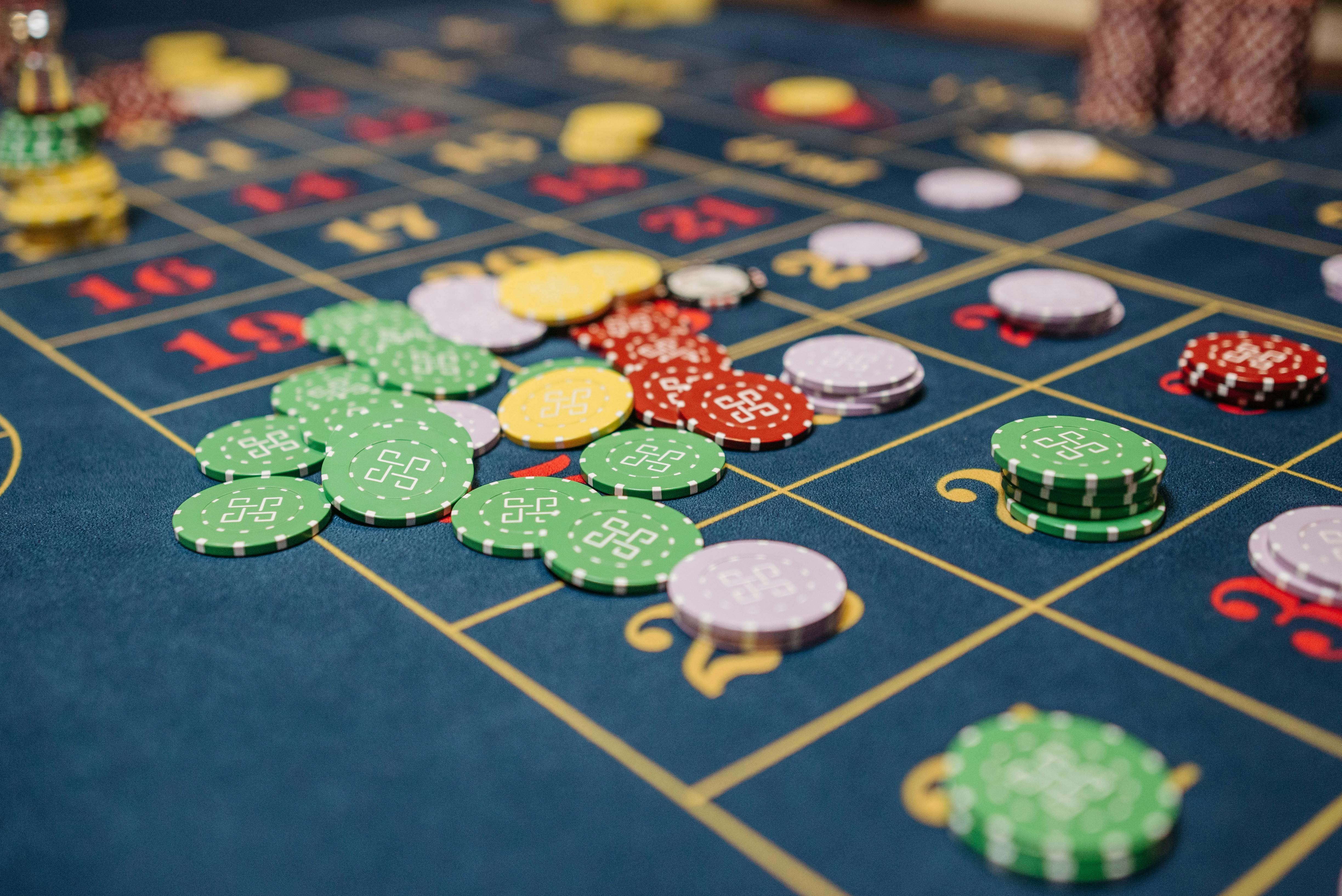
Senseizino Casino: A Secure Environment for Responsible Gambling
Senseizino Casino offers a comprehensive gaming platform that emphasizes user safety and enjoyment. With a variety of games and a commitment to responsible gambling, Senseizino provides an environment where players can indulge in gaming without compromising their financial stability or emotional well-being. New members are greeted with a generous welcome bonus, allowing them to explore the expansive range of gaming options in a secure setting.
The platform’s user-friendly interface is designed to facilitate an enjoyable experience while promoting responsible gambling practices. With dedicated customer support available, players can access assistance and resources aimed at improving their decision-making processes. This commitment to providing a safe gambling environment aligns with the understanding that psychological effects can significantly influence player behavior.
By choosing to play at Senseizino Casino, individuals can enjoy their gaming experience while being mindful of their emotional and financial health. The site encourages players to set limits and take breaks, helping them make informed decisions throughout their gambling journey. Ultimately, Senseizino aims to strike a balance between enjoyment and responsibility in the world of online gaming.
